
Morocco

Best time to visit
About Morocco
Morocco is a country of extraordinary contrasts — ancient medinas alive with colour and noise, vast stretches of Saharan dunes, snow-capped Atlas Mountains, and a coastline shared between the Atlantic and the Mediterranean. Few countries pack such geographical and cultural diversity into one destination.
446,550 km²
Total Area
9
UNESCO World Heritage Sites
1,835 km
Coastline
Discover the Best of Morocco
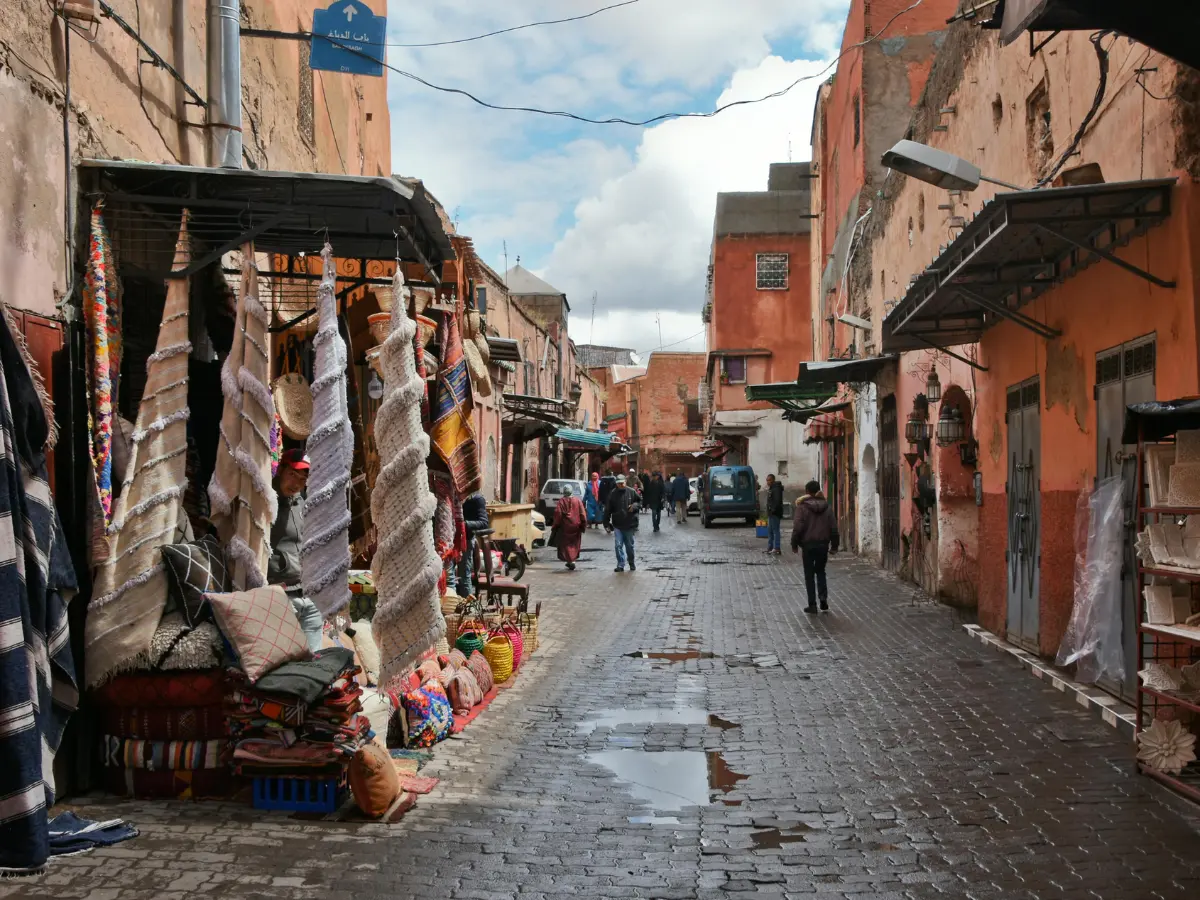
Marrakech: the Red City
The Djemaa el-Fna square is one of the great public spaces on earth — acrobats, storytellers, snake charmers, and food stalls by night. Behind it lies a medieval medina of souqs, madrasas, and hidden riads that rewards days of wandering. The Majorelle Garden and the Saadian Tombs are essential detours.
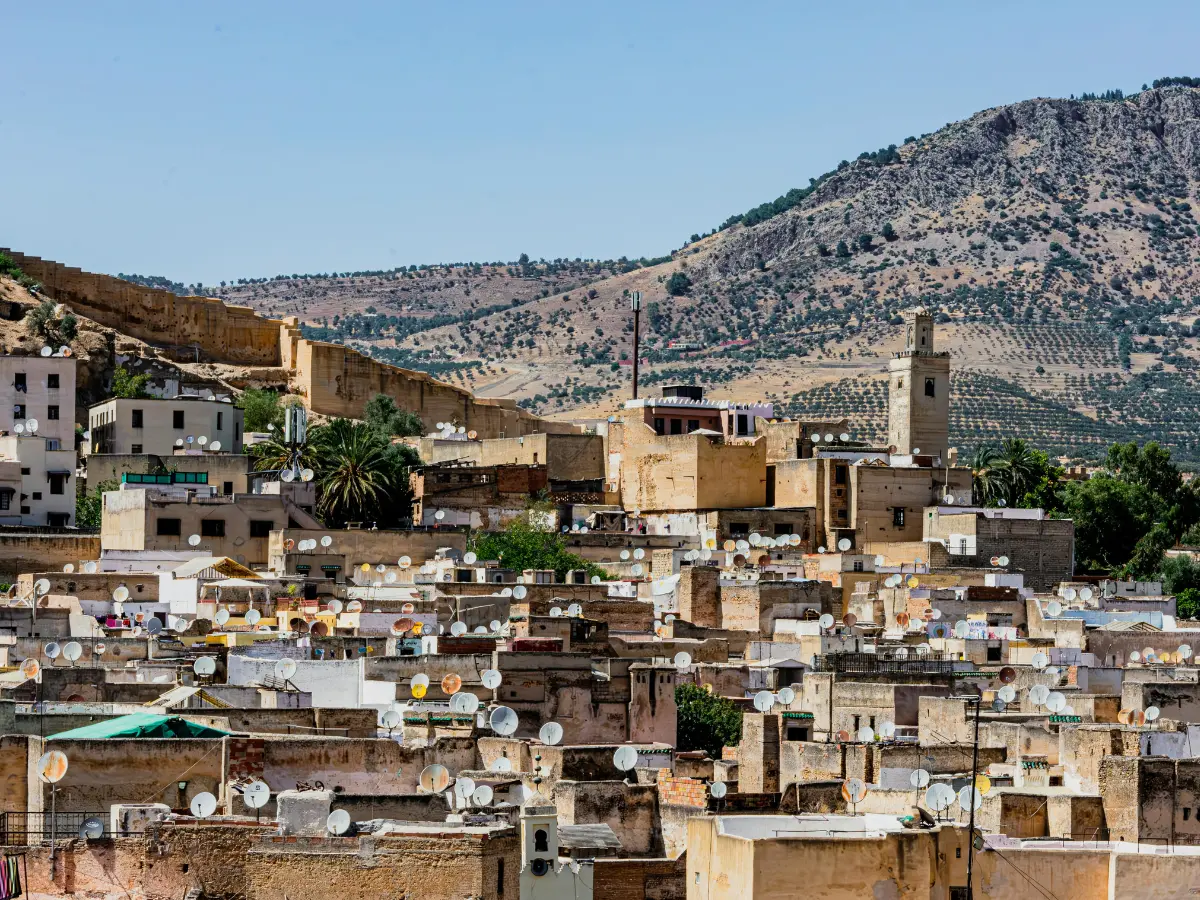
Fes: the World's Oldest Living Medieval City
The Fes el-Bali medina is a UNESCO World Heritage Site and the largest car-free urban area in the world. The Chouara tanneries, the Al-Qarawiyyin mosque and university, and the labyrinthine souqs make Fes the most historically rich destination in Morocco. Allow at least two full days.
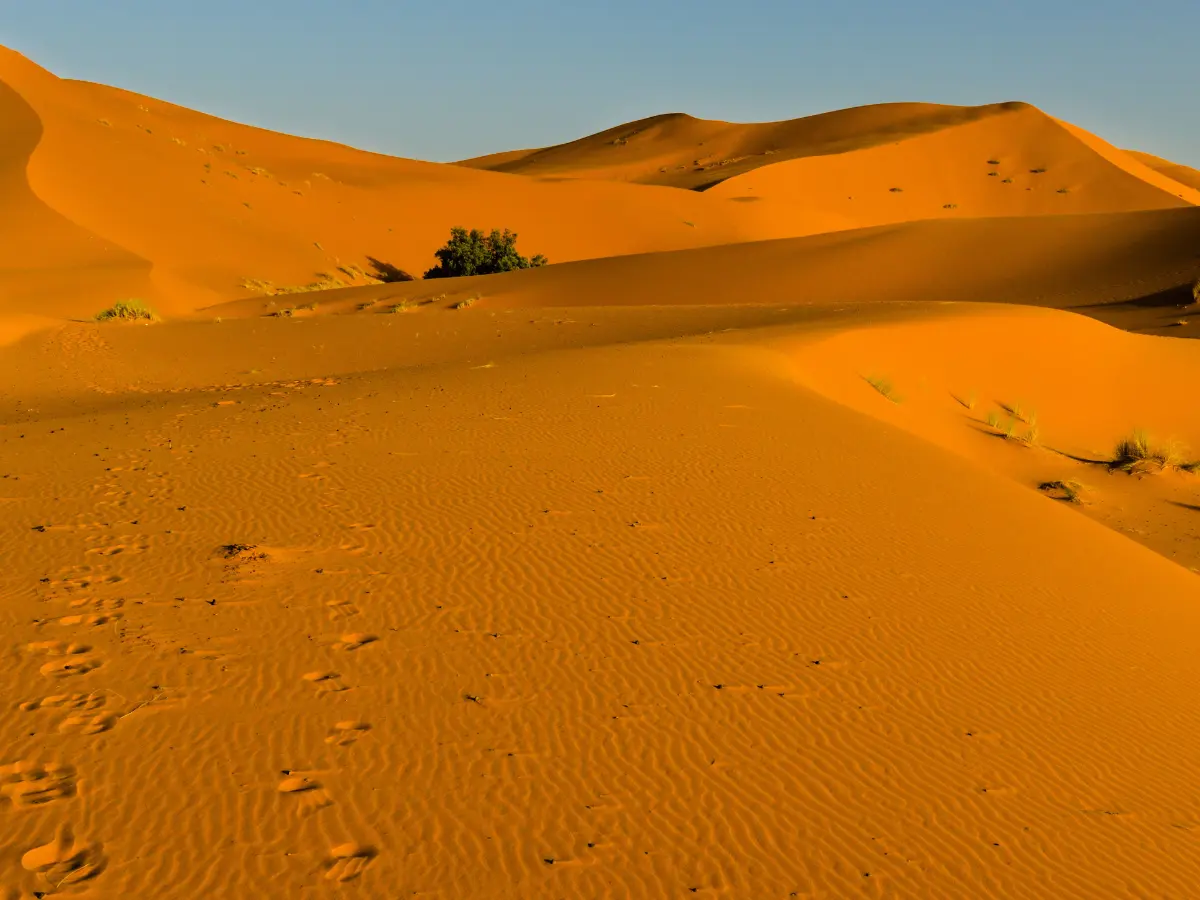
The Sahara Desert: Merzouga and Erg Chebbi
The vast orange dunes of Erg Chebbi near Merzouga are Morocco's most iconic landscape. Camel treks at sunset, overnight camps under the stars, and the silence of the desert at dawn make this one of Africa's great travel experiences. Combine with the dramatic Draa Valley and Todra Gorge en route.
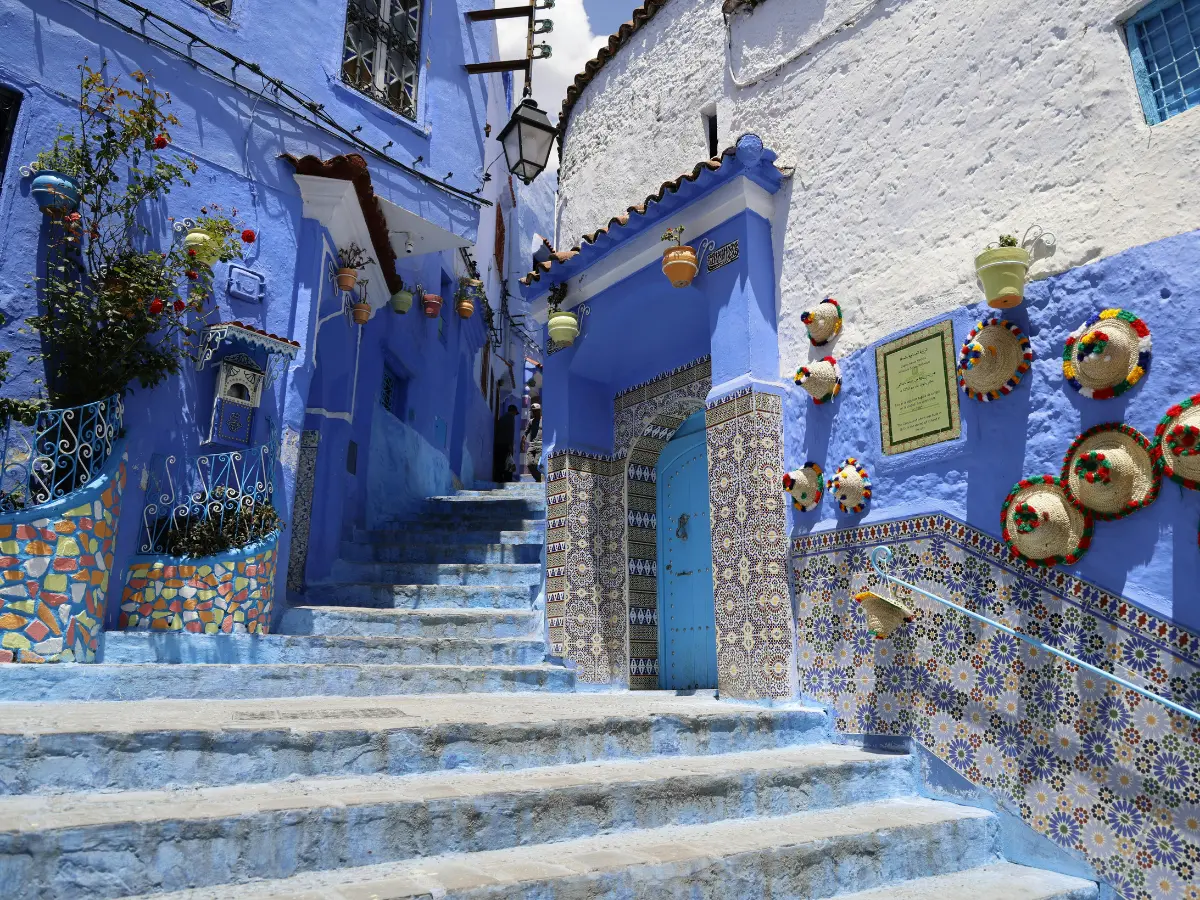
Chefchaouen: the Blue Pearl
The blue-washed streets and staircases of Chefchaouen in the Rif Mountains are among the most photographed scenes in Africa. Beyond the aesthetics, the old medina is relaxed, walkable, and refreshingly free of the hard-sell atmosphere found elsewhere. The surrounding mountains offer excellent hiking.
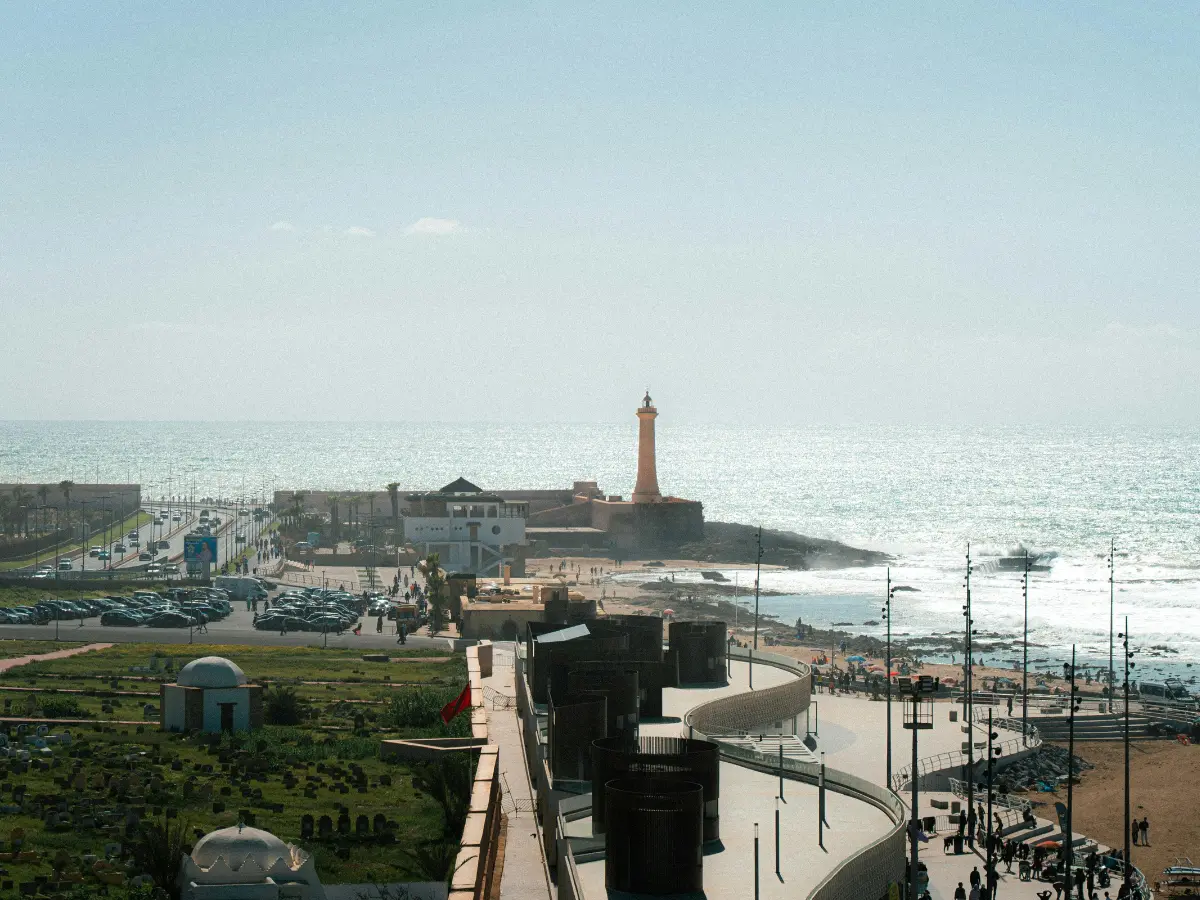
The Atlantic Coast: Essaouira and Agadir
Essaouira is a windswept Portuguese-walled port city with a bohemian character unlike anywhere else in Morocco — blue fishing boats, rampart walks, and excellent fresh seafood. Agadir offers Morocco's best beaches and a modern resort infrastructure ideal for families.
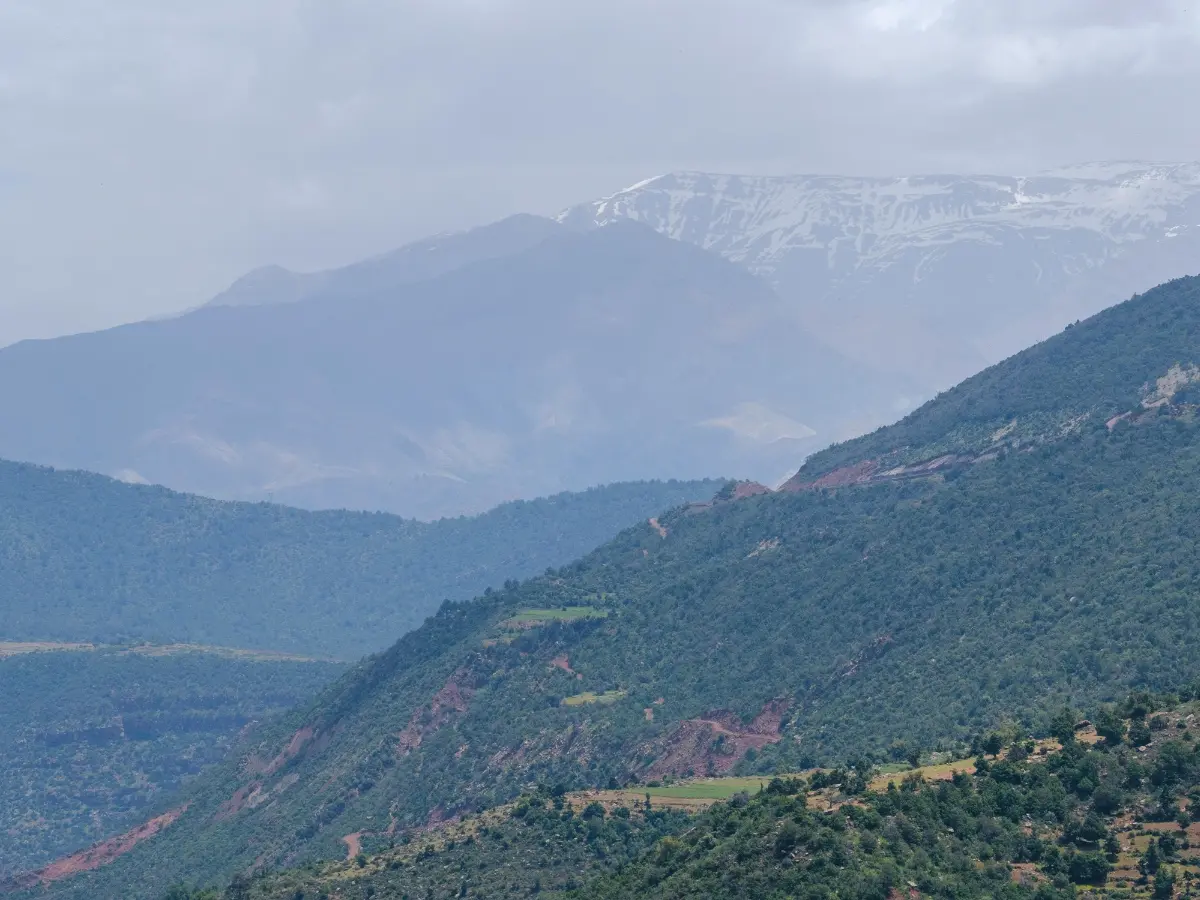
The High Atlas Mountains
The Atlas range rises dramatically behind Marrakech, offering trekking routes to Jebel Toubkal — North Africa's highest peak at 4,167m — traditional Berber villages, and valley landscapes of extraordinary beauty. Day trips from Marrakech to the Ourika Valley and Ait Benhaddou kasbah are unmissable.
Discover Morocco
Travel Essentials
Budget Level:
Budget to Mid-range
Best Duration:
10–14 days
Daily Budget:
USD 35–55/day (budget riad, street food, local transport)
USD 90–150/day (mid-range riad, restaurant meals, guided tours)
Safety Rating:
Exercise normal caution
Safety Notes
Morocco is generally safe for tourists throughout the main destinations. Marrakech, Fes, Chefchaouen, Agadir, and the Sahara desert routes are all well-travelled and safe. Persistent touts and unofficial guides near major souqs are the main nuisance — be firm but polite and avoid following strangers into medina alleyways. Keep valuables secure in busy markets. Solo female travellers should dress modestly and be aware of unwanted attention in some areas.
Getting There
Direct flights from Doha (QR, ~5.5h to Casablanca), Dubai (EK/flydubai, ~7h), Abu Dhabi (EY, ~7h), and Riyadh (SV, ~6h). Mohammed V International Airport in Casablanca (CMN) is the main hub. Direct flights also available to Marrakech (RAK) from Dubai and some Gulf cities seasonally. Royal Air Maroc and Gulf carriers operate regular frequencies making Morocco one of the most accessible North African destinations from the GCC.
Getting Around
The ONCF train network connects Casablanca, Rabat, Fes, Tangier, and Marrakech efficiently and comfortably — the flagship Al Boraq high-speed train links Casablanca to Tangier in under 2 hours. CTM long-distance buses serve routes not covered by rail including Chefchaouen, Agadir, and Ouarzazate. Hiring a private driver is the most practical way to explore the Atlas Mountains, desert kasbahs, and the Draa Valley. Grand taxis connect smaller towns and are shared between passengers.
Visa Information
Most Western passport holders receive a free 90-day visa on arrival. Citizens of some countries require a visa in advance — always check with the Moroccan embassy in your country before travel.
GCC Visa Information
Qatari, Saudi, and UAE passport holders do not require a visa for Morocco and may enter visa-free for up to 90 days. Most other GCC residents should verify requirements based on their nationality of passport. Always check current requirements at the official Moroccan embassy or consulate before travel.
Muslim Travel Guide
Essential information for Muslim travellers
Halal Food
Excellent
Morocco is a Muslim-majority country and halal food is the default everywhere. Virtually all locally-owned restaurants and street food stalls serve halal food. Pork is absent from nearly all menus outside international hotels. Moroccan cuisine is world-renowned — tagines, couscous, pastilla, and harira soup are staple dishes available throughout the country. Alcohol-free dining is easy in every city and town.
Mosques
Excellent — mosques in every neighbourhood nationwide. Non-Muslims are not permitted to enter most mosques in Morocco, but the Hassan II Mosque in Casablanca is open to visitors.
Mosques are found throughout all Moroccan cities and towns. Mohammed V International Airport in Casablanca and Marrakech Menara Airport both have dedicated prayer rooms. The call to prayer is heard five times daily across the country. Friday Jumu’ah prayers are widely observed — plan around midday on Fridays.
Alcohol Culture
Limited and easily avoided — alcohol is available in licensed restaurants, international hotels, and some supermarkets but is absent from most traditional establishments and medina restaurants. Muslim travellers will find it very straightforward to avoid entirely.
Ramadan Travel
Morocco is one of the most rewarding destinations in the world to experience Ramadan. The medinas of Marrakech, Fes, and Chefchaouen transform after iftar with street food, music, and celebrations lasting until suhoor. Harira soup, chebakia, and dates are served everywhere at sunset. Daytime hours see reduced activity at some shops and restaurants. Non-fasting travellers should eat and drink discreetly in public. Ramadan evenings in the Djemaa el-Fna square in Marrakech are an unmissable experience.