
Kenya

Best time to visit
About Kenya
Kenya is the definitive African safari destination — a country
of staggering natural beauty, where vast savannahs teem with
wildlife, the Great Rift Valley carves through ancient
landscapes, and the snow-capped peaks of Mount Kenya rise above
the equator. From the legendary wildebeest migration across the
Maasai Mara to the pink flamingos of Lake Nakuru,
Kenya delivers wildlife encounters of extraordinary intimacy.
Beyond the wild, Nairobi pulses with creative energy, and the
Swahili coast offers ancient trading ports and turquoise waters.
580,367 km²
Total Area
60+
National Parks & Reserves
536 km
Coastline
7
UNESCO World Heritage Sites
Discover the Best of Kenya
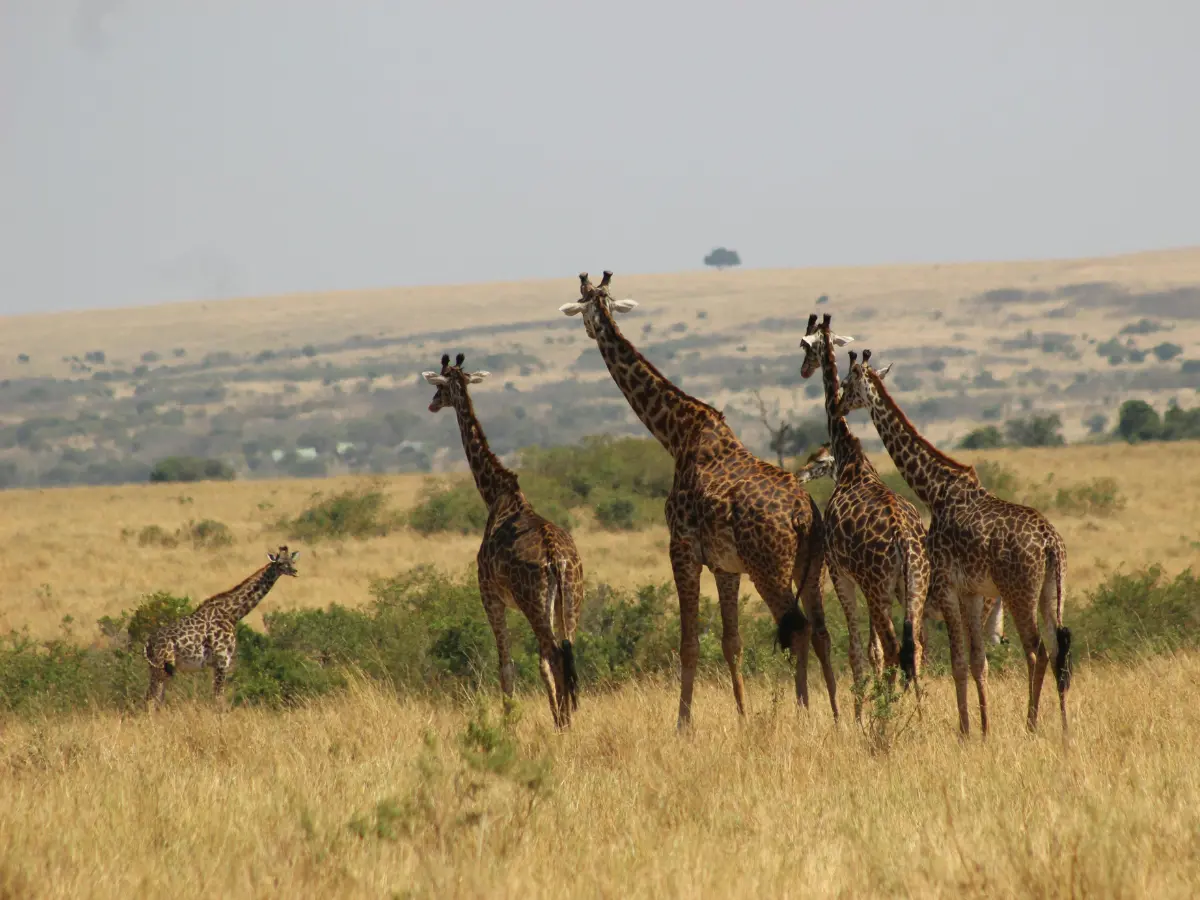
Maasai Mara: Africa's Greatest Safari Destination
The Maasai Mara delivers the classic African safari experience at its finest. Vast grasslands support enormous populations of lions, elephants, cheetahs, giraffes, and zebras. Between July and October, the Great Migration sees more than a million wildebeest and zebras cross from Tanzania's Serengeti into Kenya — one of the greatest wildlife spectacles on Earth.
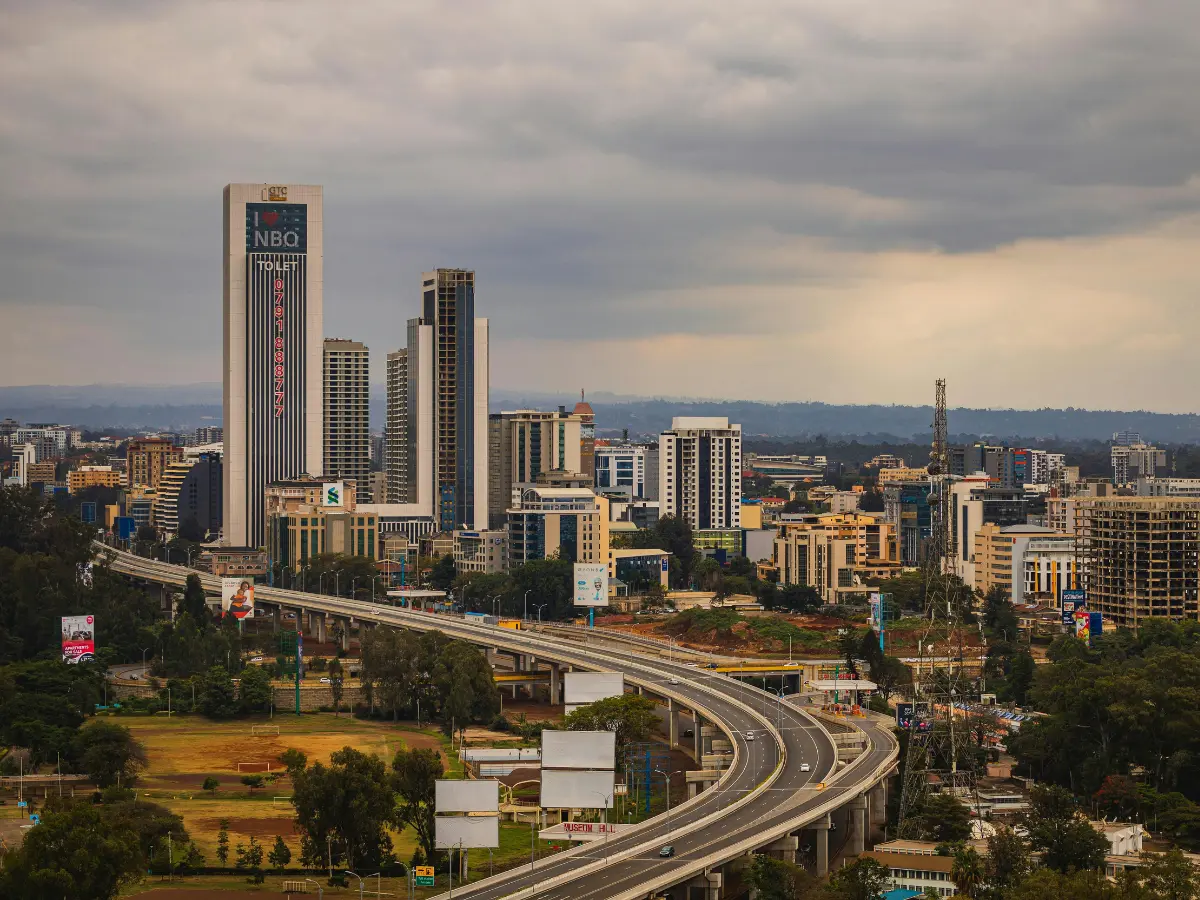
Nairobi: East Africa's Dynamic Capital
Few cities in the world combine skyscrapers and wild lions as dramatically as Nairobi. The city offers excellent museums, vibrant dining, the Giraffe Centre, David Sheldrick Wildlife Trust elephant sanctuary, and Nairobi National Park where wildlife roams against a backdrop of modern high-rises. Most visitors underestimate how much there is to see.
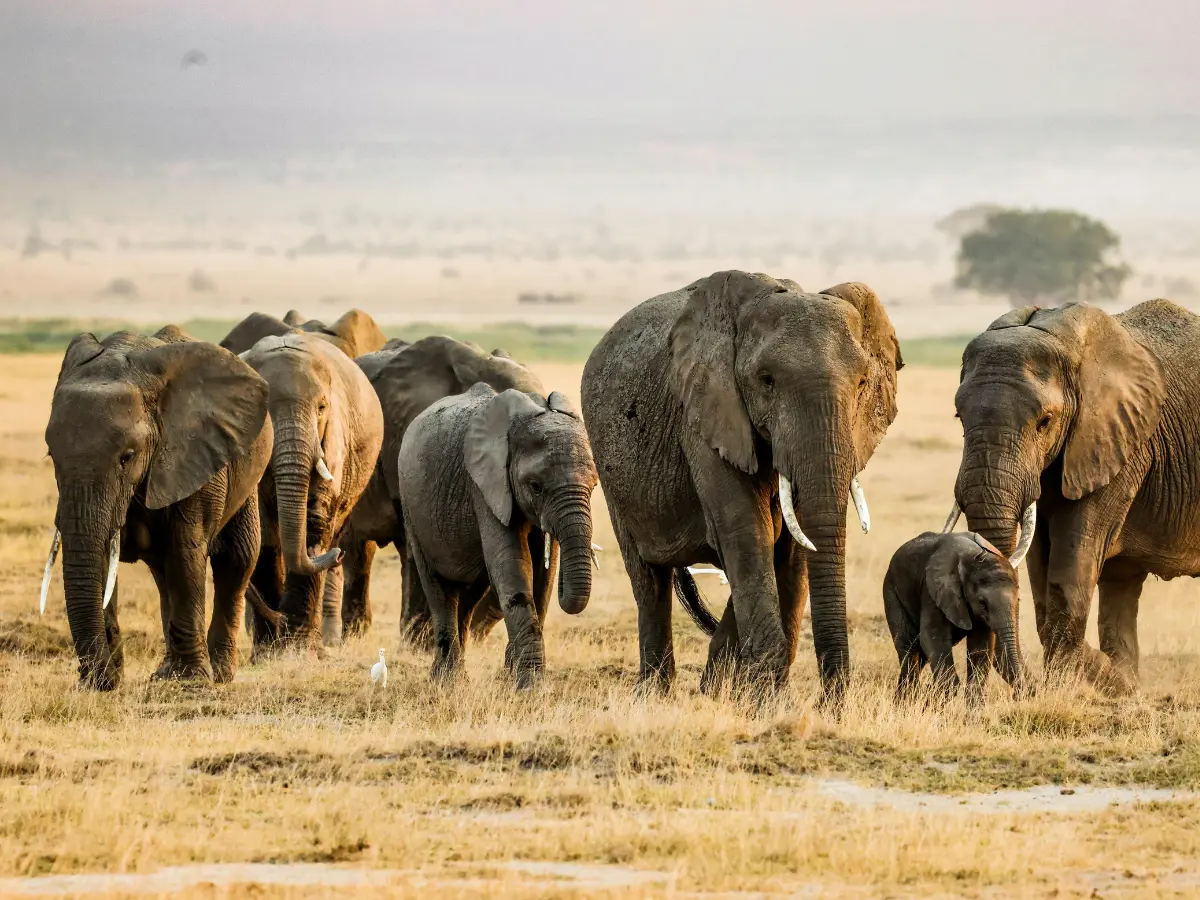
Amboseli National Park: Land of Giants
Amboseli is famous for its enormous elephant herds and postcard-perfect views of Mount Kilimanjaro rising beyond the plains. Photographers flock here for iconic sunrise shots featuring elephants crossing in front of Africa's highest mountain. The park's open terrain makes wildlife viewing exceptionally rewarding.
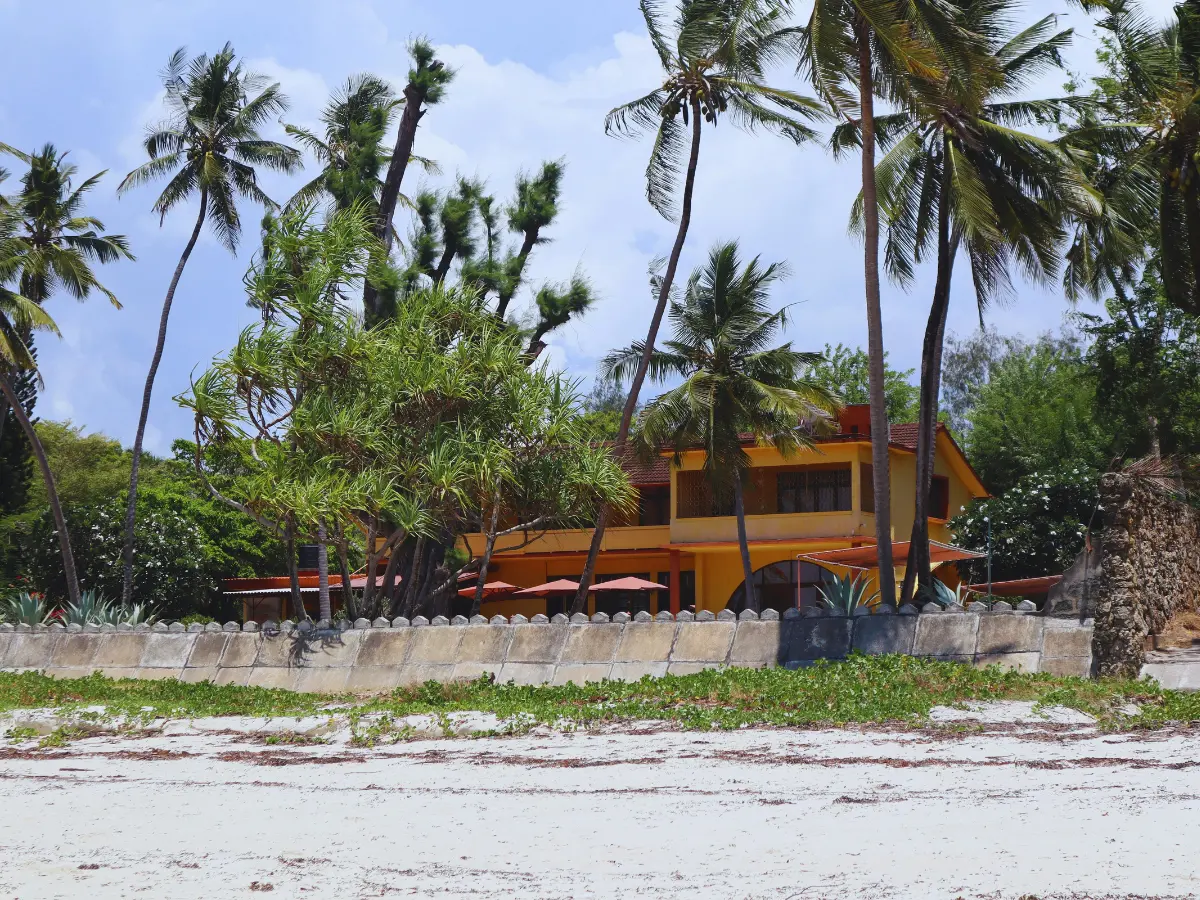
Mombasa and the Swahili Coast
Kenya's Indian Ocean coastline blends African, Arab, Persian, and Portuguese influences into a unique Swahili culture. Explore the historic alleys of Old Town, visit Fort Jesus, relax on the white sands of Diani Beach, and enjoy some of East Africa's finest seafood. The coast offers a completely different experience from safari country.
Lamu: Timeless Island Heritage
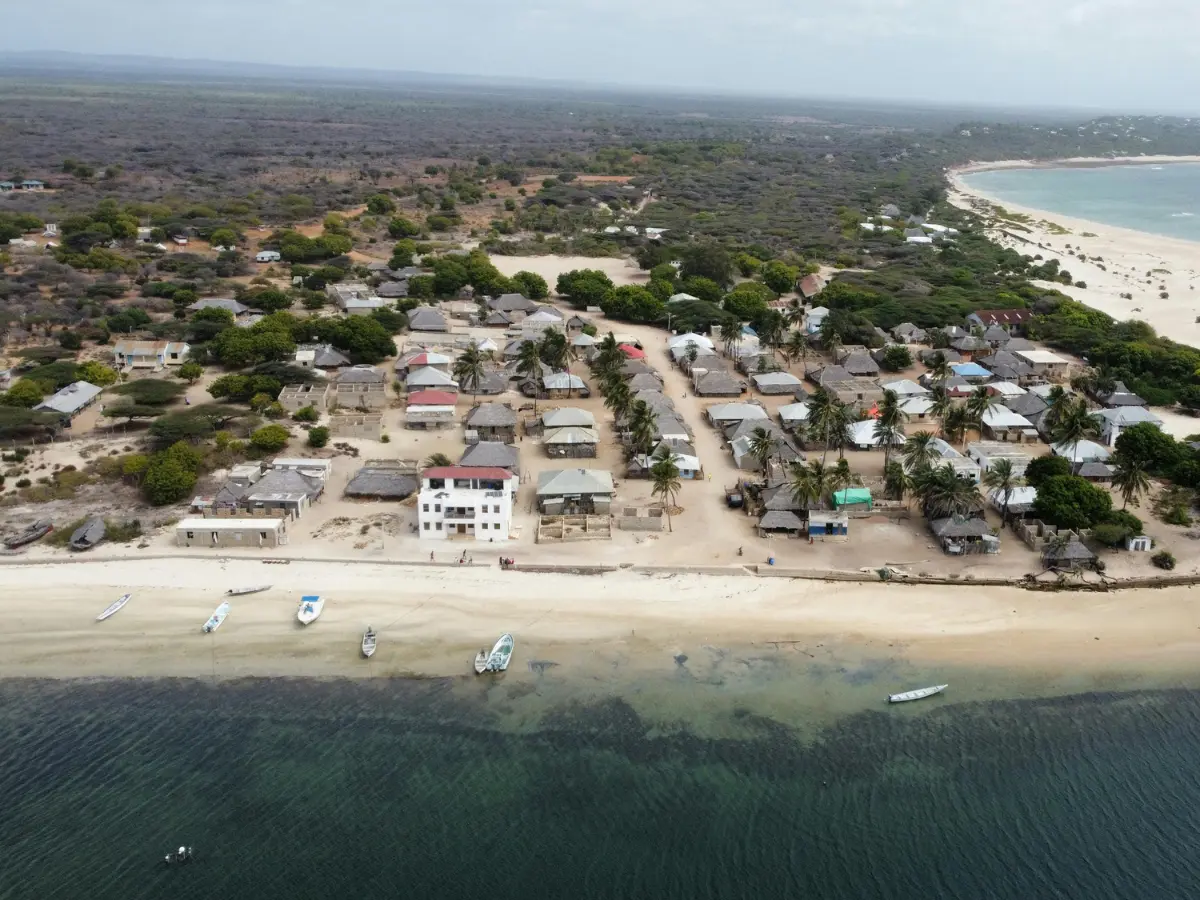
Lamu Old Town is the oldest continuously inhabited Swahili settlement in East Africa and a UNESCO World Heritage Site. Cars are largely absent, replaced by donkeys and traditional dhows. Narrow alleyways, centuries-old coral stone buildings, and a deeply Islamic heritage create one of Africa's most atmospheric destinations.
Lake Nakuru and the Great Rift Valley
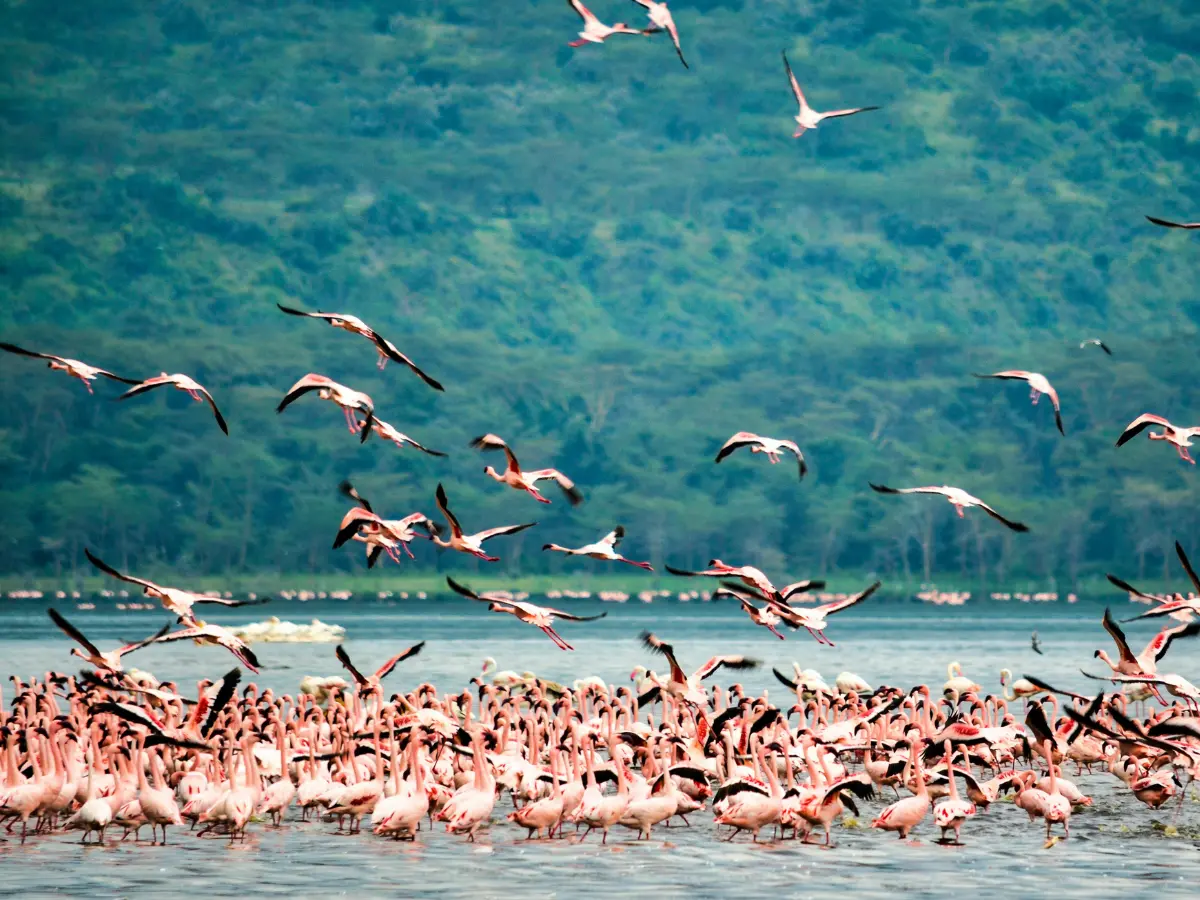
The Great Rift Valley cuts dramatically through Kenya's landscape, creating a chain of spectacular lakes and escarpments. Lake Nakuru National Park is renowned for rhinos, flamingos, and abundant birdlife, while nearby viewpoints reveal some of Africa's most dramatic geological scenery. It is an ideal addition to any safari itinerary.
Discover Kenya
Travel Essentials
Budget Level:
Mid-range
Best Duration:
10–14 days
Daily Budget:
USD 60–100/day (budget hotel, local restaurants, public transport)
USD 180–350/day (comfortable hotel, domestic flights, guided excursions)
Safety Rating:
Moderately safe
Safety Notes
Kenya is generally safe for tourists who exercise normal precautions. Wildlife areas, safari lodges, and most tourist destinations are very secure. In Nairobi and some urban centres, visitors should avoid displaying valuables, use reputable transport providers, and avoid walking alone after dark in unfamiliar areas. Petty theft is more common than violent crime. Road safety standards vary, and domestic flights are often the safest way to cover long distances. Always follow park ranger instructions when viewing wildlife and never approach animals outside designated areas.
Getting There
Direct flights operate from Doha (QR, ~5.5h), Dubai (EK, ~5h), Abu Dhabi (EY, ~5h), and several other Gulf hubs. Nairobi's Jomo Kenyatta International Airport (NBO) serves as East Africa's largest aviation hub and the primary gateway to Kenya. Mombasa's Moi International Airport (MBA) receives regional and seasonal international flights. Qatar Airways, Emirates, Etihad Airways, Kenya Airways, and Flydubai operate regular services from the GCC.
Getting Around
Domestic flights are the most efficient way to connect Nairobi with safari destinations, the Maasai Mara, Amboseli, Samburu, and the coast. Kenya's road network links major destinations but journey times can be longer than expected. Ride-hailing apps are widely available in Nairobi and Mombasa. For safaris, dedicated 4x4 vehicles with professional guides are strongly recommended. The modern Standard Gauge Railway connects Nairobi and Mombasa comfortably and affordably, offering an excellent alternative to flying between the capital and the coast.
Visa Information
Most nationalities require an Electronic Travel Authorisation (eTA) obtained online before travel. Kenya launched its eTA system in 2024, replacing the previous visa on arrival system. Apply for your eTA at etakenya.go.ke well in advance of travel. Processing times vary and approval is not guaranteed on arrival.
GCC Visa Information
Qatari, Saudi, UAE, Bahraini, Kuwaiti, and Omani passport holders generally require an eVisa to enter Kenya. Applications are submitted online through the official Kenyan electronic travel authorisation system before departure. Most tourist authorisations are granted for stays of up to 90 days and require a valid passport, accommodation details, return ticket, and proof of sufficient funds. Processing usually takes 2–5 working days. Requirements can change, so verify the latest entry rules before travel through Kenya's official immigration website.
Muslim Travel Guide
Essential information for Muslim travellers
Halal Food
Very Good — easy in major cities and coastal regions
Kenya has a substantial Muslim population, particularly along the coast and in parts of Nairobi. Halal food is widely available in Nairobi, Mombasa, Malindi, Lamu, and other coastal towns. Many restaurants serving Swahili, Middle Eastern, Indian, and Somali cuisine are halal by default. International hotel chains often provide halal meal options upon request. During safaris, notify operators in advance and halal meals can usually be arranged throughout the trip. Fresh seafood along the Indian Ocean coast is particularly abundant and generally a safe option for Muslim travellers.
Mosques
Excellent — mosques widely available in Nairobi, Mombasa, Lamu, Malindi, and most major towns
Nairobi’s Jami Mosque in the city centre is among East Africa’s most important mosques. Jomo Kenyatta International Airport has prayer facilities, while major shopping centres and hotels can often provide private prayer spaces upon request. Along the coast, mosques are plentiful and the adhan is commonly heard. Safari lodges and tour operators are generally accommodating regarding prayer stops when informed in advance.
Alcohol Culture
Alcohol is widely available and commonly consumed in urban areas, hotels, bars, and safari lodges. However, Muslim travellers will find many alcohol-free restaurants and establishments, particularly in Muslim-majority coastal areas and Somali-owned businesses. Halal dining options are generally easy to identify in major tourist destinations.
Ramadan Travel
Kenya is relatively easy to visit during Ramadan. Nairobi and coastal cities have active Muslim communities, making it straightforward to find iftar meals and mosque activities. Mombasa and Lamu offer particularly vibrant Ramadan atmospheres, with community gatherings, special food markets, and evening events. Hotels can often arrange early breakfast options for suhoor if requested in advance. Safari travellers should plan ahead for meal timings, especially in remote conservancies and national parks.