
Japan
Best time to visit
About Japan
Japan is unlike anywhere else on earth — a country that has
perfected the art of holding ancient and ultramodern in
extraordinary balance. From the neon-lit streets of Tokyo and
the bamboo groves of Kyoto to the snow-capped cone of Mount
Fuji and the deer-filled parks of Nara, Japan rewards every
kind of traveller with depth, beauty, and a culture of
unmatched refinement. The food alone — from street ramen to
multi-course kaiseki — is reason enough to visit.
377,975 km²
Total Area
6,852
Islands
25
UNESCO World Heritage Sites
2,000+ years
Recorded History
Discover the Best of Japan
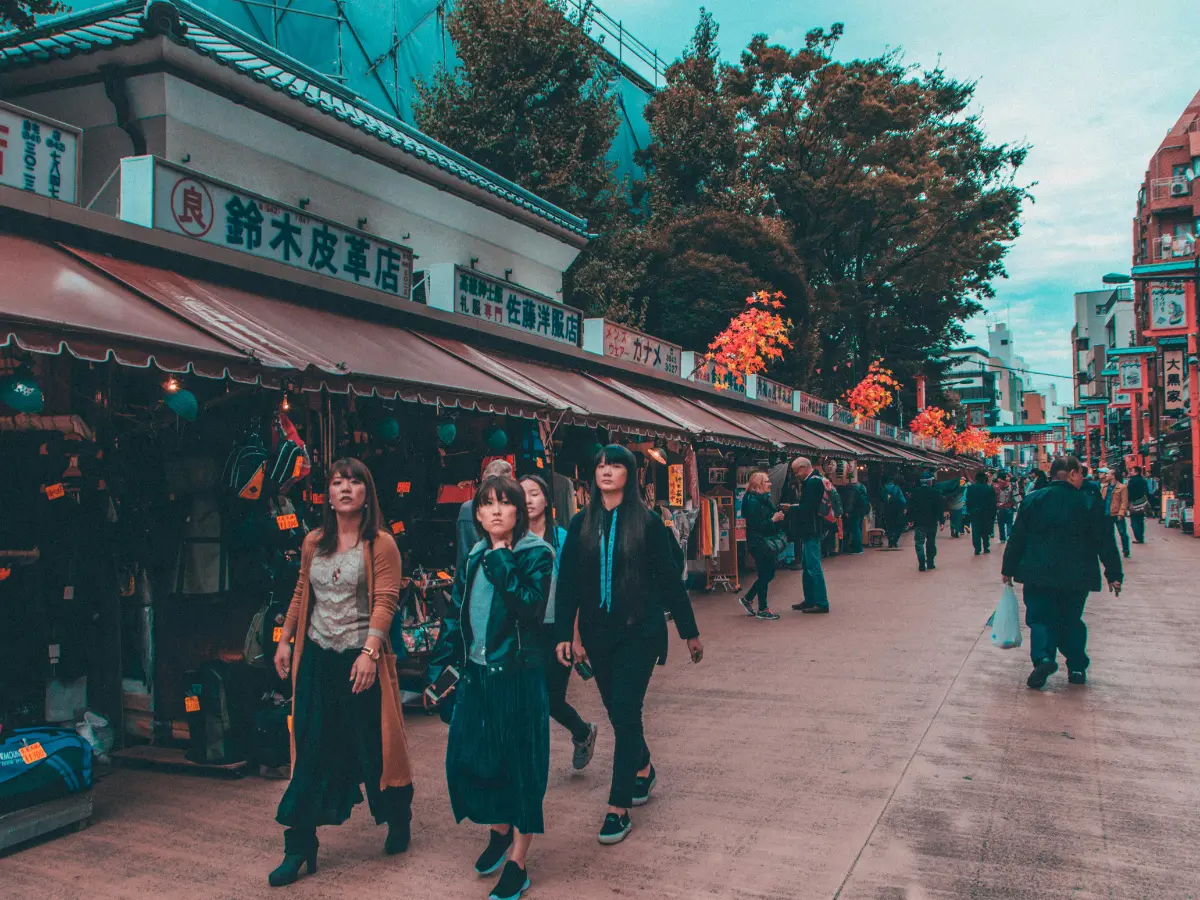
Tokyo: the World's Greatest Megalopolis
Tokyo overwhelms and rewards in equal measure. Shibuya Crossing, Senso-ji temple in Asakusa, the teamLab digital art museums, Tsukiji outer market, and the panoramic views from the Tokyo Skytree barely scratch the surface. Devote at least four days and accept that you will leave with a list of things you missed.
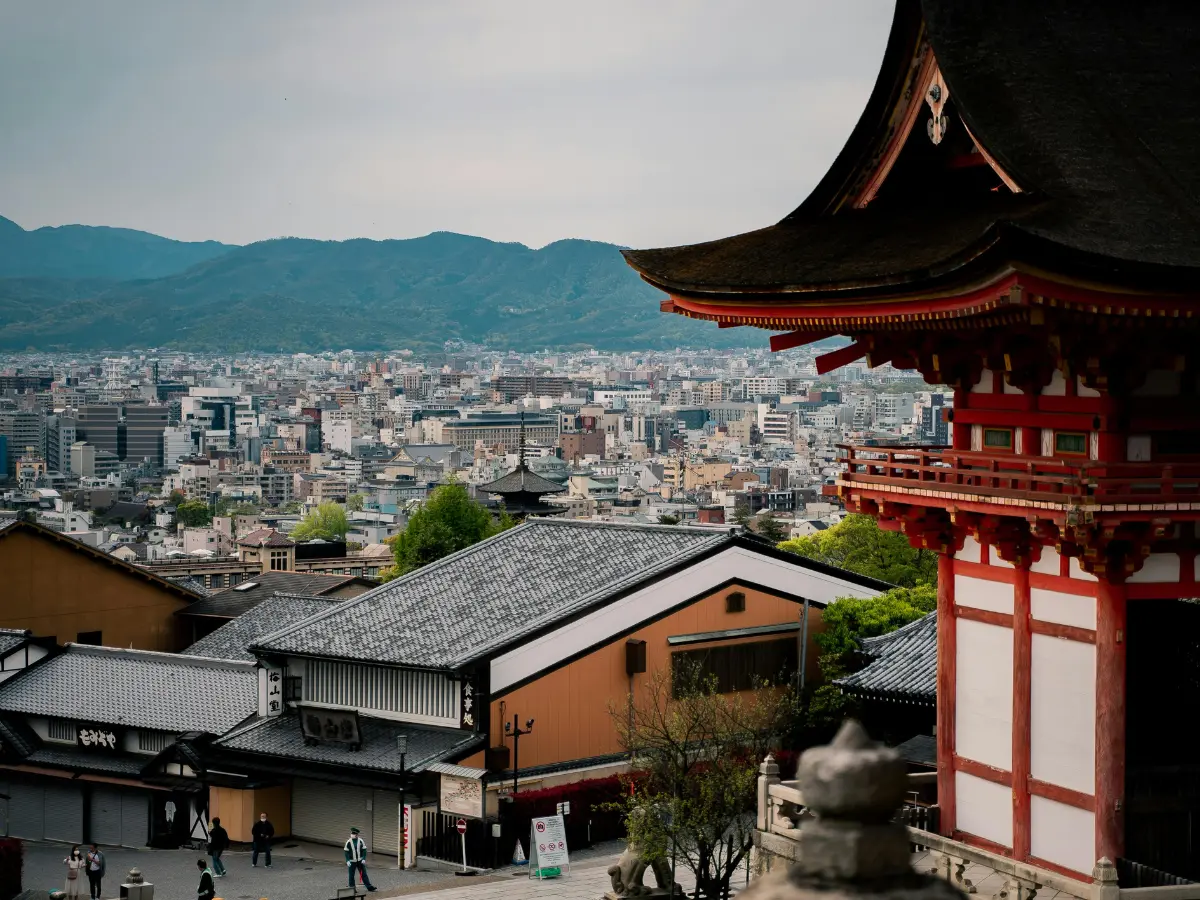
Kyoto: Ancient Capital and Temple City
Japan's former imperial capital has 17 UNESCO World Heritage Sites within its boundaries. The golden Kinkaku-ji pavilion, the thousands of torii gates at Fushimi Inari, the bamboo grove at Arashiyama, and the geisha district of Gion are all within easy reach. Kyoto is best experienced slowly — a single shrine visited properly beats ten rushed.
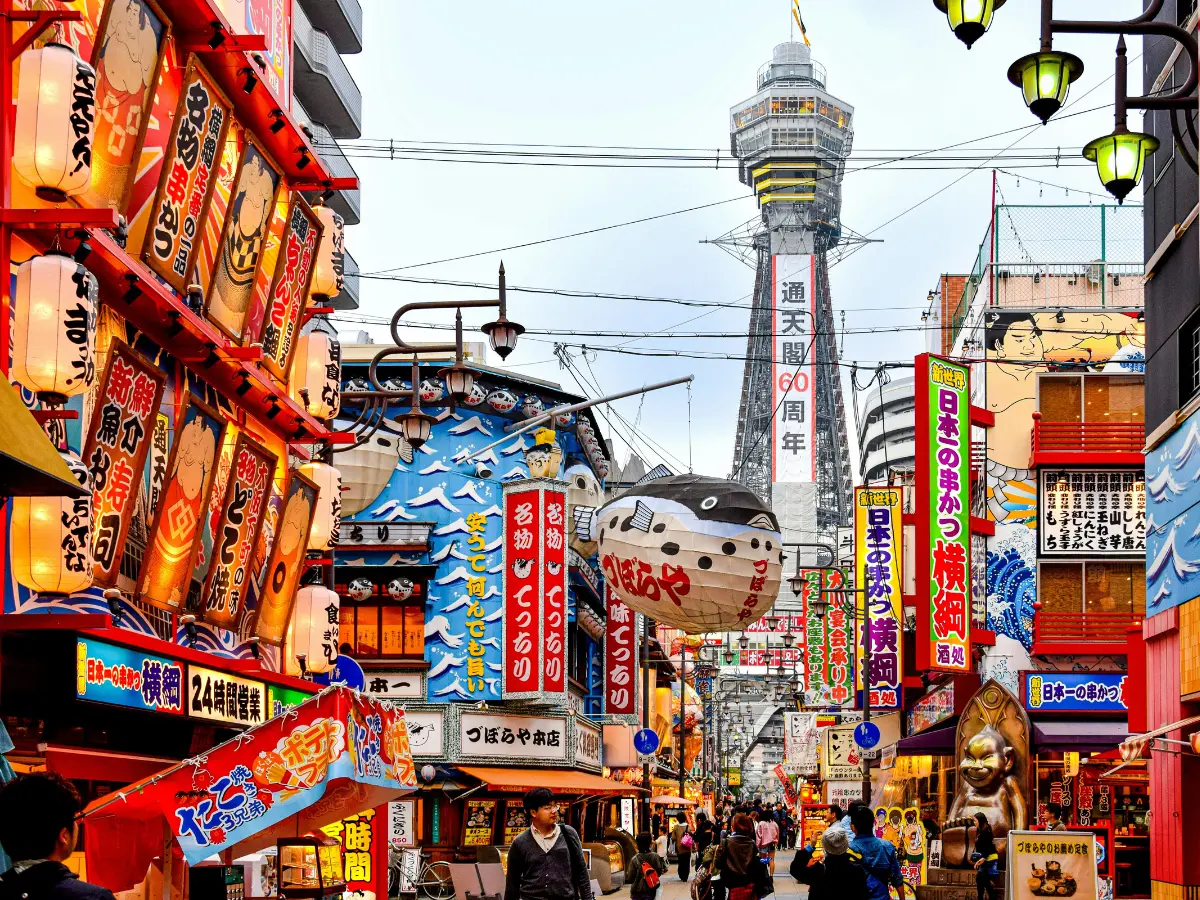
Osaka: Japan's Kitchen and Comedy Capital
Osaka has a reputation for the best food in Japan — takoyaki, okonomiyaki, kushikatsu, and ramen from the street stalls of Dotonbori are among the most satisfying meals in Asia. The city's character is warmer and more irreverent than Tokyo. Osaka Castle, the Kuromon Ichiba market, and a day trip to Nara's sacred deer park round out an essential visit.
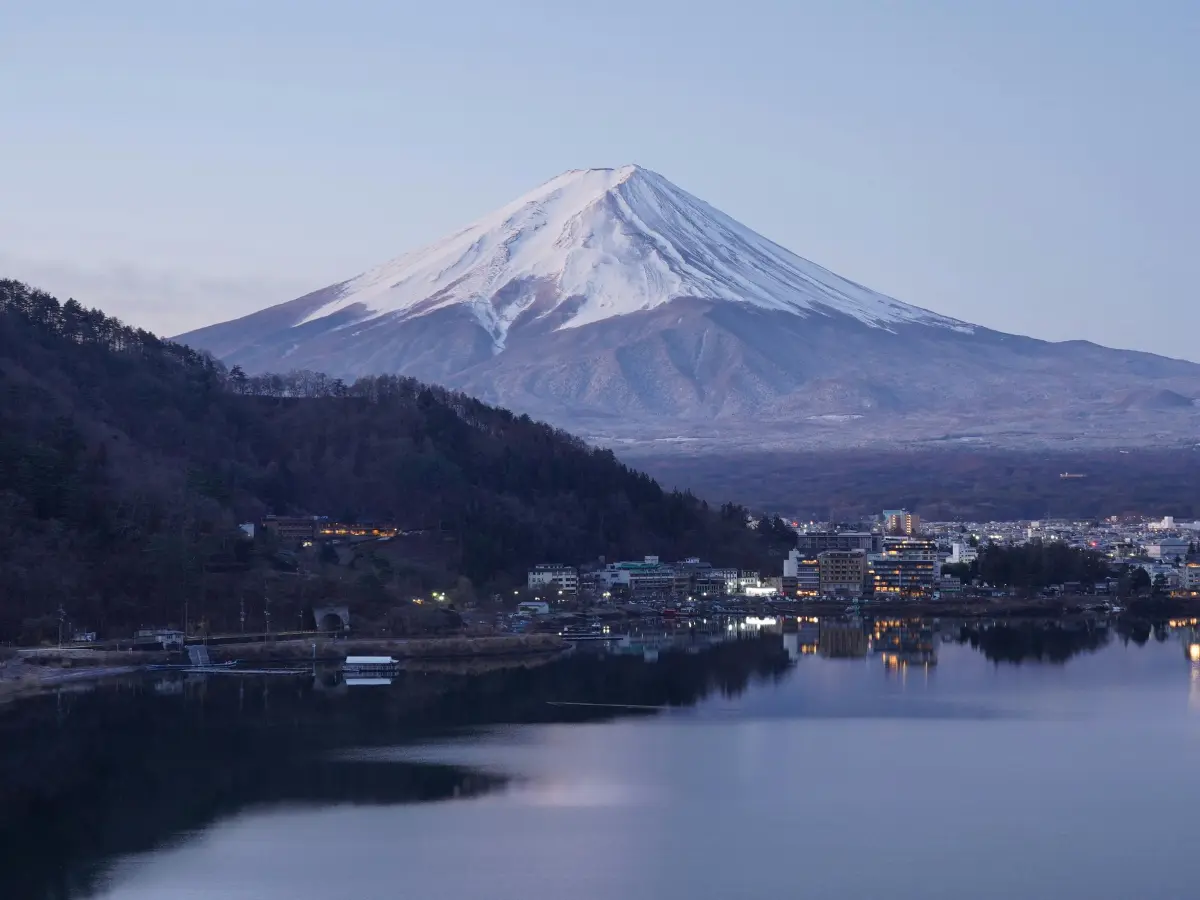
Mount Fuji and the Fuji Five Lakes
Japan's iconic snow-capped volcano is visible from Tokyo on clear days and commands the landscape from every angle. The Fuji Five Lakes region — particularly Kawaguchiko — offers the classic reflection shot at dawn. Climbing season runs July to early September; the summit at sunrise after a night ascent is one of the world's great physical challenges.
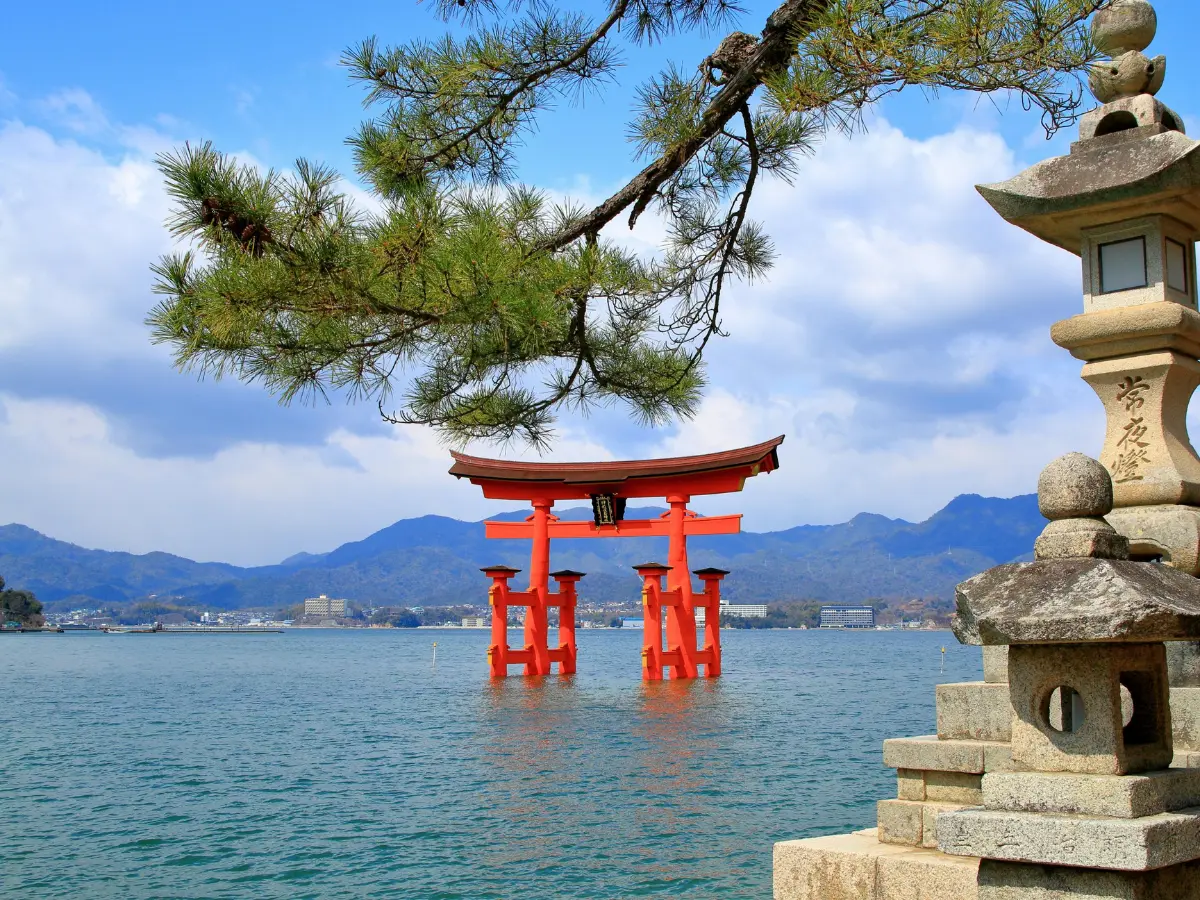
Hiroshima and Miyajima Island
The Hiroshima Peace Memorial Museum is one of the most important and moving museums in the world — essential visiting for any traveller with a conscience. The nearby island of Miyajima with its floating torii gate of Itsukushima Shrine is among Japan's most iconic images. The combination of historical weight and natural beauty makes this one of Japan's unmissable two-day itineraries.
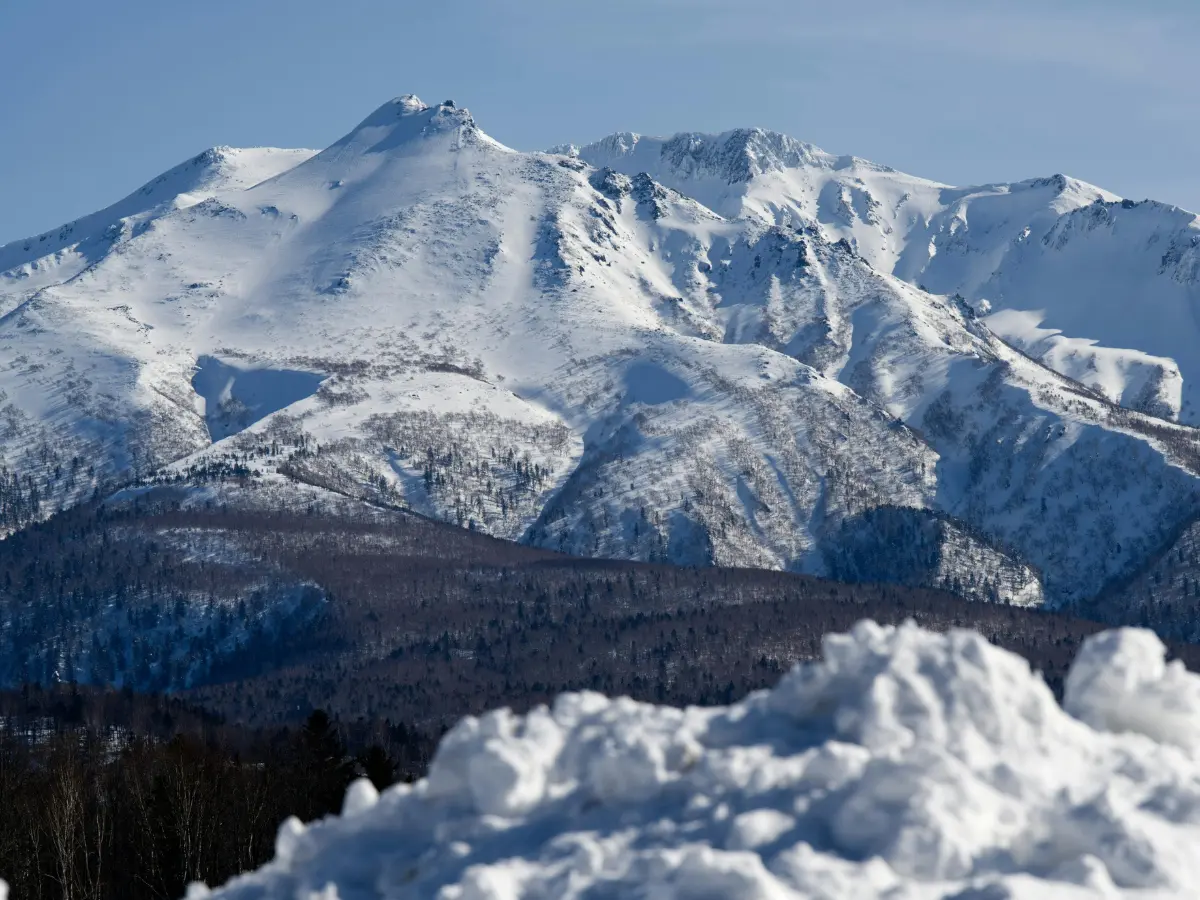
Hokkaido: Wilderness, Powder Snow and Seafood
Japan's northernmost island is a world apart — vast national parks, world-class ski resorts at Niseko and Furano, flower fields of extraordinary colour in summer, and the freshest seafood in the country in Sapporo's Nijo Market. The drift ice of the Shiretoko Peninsula in winter is one of Japan's great wildlife spectacles.
Discover Japan
Travel Essentials
Budget Level:
Mid-range to Luxury
Best Duration:
12–16 days
Daily Budget:
USD 80–120/day (capsule hotel or hostel, convenience store meals, IC card transport)
USD 180–280/day (business hotel, restaurant meals, day trips)
Safety Rating:
Very safe
Safety Notes
Japan is consistently ranked among the safest countries in the world for travellers. Violent crime is extremely rare, lost property is routinely handed in, and tourist scams are virtually non-existent. The main practical concerns are navigating the language barrier in rural areas and understanding etiquette norms to avoid causing unintentional offence. Natural disaster preparedness is worth noting — Japan experiences earthquakes regularly and has excellent early warning systems. Familiarise yourself with your hotel's evacuation procedures on arrival.
Getting There
Direct flights from Doha (QR, ~9.5h to Tokyo), Dubai (EK, ~9.5h), Abu Dhabi (EY, ~9.5h), and Riyadh (SV, ~11h with connection). Tokyo has two international airports — Narita (NRT) for most long-haul arrivals and Haneda (HND) increasingly for Gulf carrier flights due to its proximity to the city centre. Direct flights also available to Osaka Kansai (KIX) from Dubai seasonally. Japan Airlines, ANA, Qatar Airways, and Emirates operate regular frequencies.
Getting Around
Japan's rail network is the finest in the world. The Japan Rail Pass (purchased before arrival) covers the Shinkansen bullet train network connecting Tokyo, Kyoto, Osaka, Hiroshima, and beyond at speeds up to 320km/h. IC cards (Suica or Pasmo) cover all local metro, bus, and some JR lines — load them at any station machine. Domestic flights connect Tokyo to Hokkaido, Okinawa, and Kyushu on ANA and JAL. Taxis are safe but expensive — use them only for short final-mile journeys. Google Maps works exceptionally well for navigating Japanese public transport.
Visa Information
Citizens of over 60 countries including the US, UK, EU, and Australia can enter visa-free for up to 90 days. Other nationalities require a visa in advance from a Japanese embassy. Japan introduced a tourist visa system in 2023. Always verify current entry requirements at the official Japan Tourism Agency website before travel as policies evolve frequently.
GCC Visa Information
Qatari, Saudi, and UAE passport holders require a visa to enter Japan. Applications are made through the Japanese embassy or consulate in your country of residence. The standard tourist visa is valid for 90 days and requires a completed application form, valid passport, itinerary, bank statements, and proof of accommodation. Processing typically takes 5–7 working days. Japan has been gradually expanding its visa-free programme — verify current requirements at mofa.go.jp before travel as policies are evolving.
Muslim Travel Guide
Essential information for Muslim travellers
Halal Food
Good — growing rapidly
Japan has made significant strides in halal food provision driven by growing Muslim tourism. Tokyo, Osaka, and Kyoto all have dedicated halal restaurants, Muslim-friendly eateries, and halal-certified food options. The HalalNavi and Halal Gourmet Japan apps are essential tools for finding certified restaurants. Key things to note — soy sauce traditionally contains alcohol, and mirin (sweet rice wine) is used widely in Japanese cooking. Ask specifically about cooking ingredients rather than just meat sourcing. Vegetarian and seafood options are the safest fallback when halal certification is unclear. Department store food halls (depachika) increasingly stock halal-certified products.
Mosques
Limited but growing — major mosques in Tokyo (Tokyo Camii — the largest mosque in Japan), Osaka, Nagoya, and Kyoto. Prayer rooms available at major airports, some shopping centres, and increasingly at tourist attractions.
Tokyo Narita and Haneda airports have dedicated Muslim prayer rooms. Kansai International Airport (Osaka) has prayer facilities. Tokyo Camii in Yoyogi-Uehara is a beautiful Ottoman-style mosque open to visitors and welcomes worshippers. Major tourist sites including teamLab digital art museums and some shopping centres in Tokyo and Osaka now provide prayer spaces. The Japan Muslim Association maintains an updated directory of prayer facilities nationwide at muslim.or.jp.
Alcohol Culture
Extremely prominent and deeply embedded in Japanese culture — alcohol is available everywhere including convenience stores, vending machines, restaurants, and public spaces. However halal restaurants and Muslim-friendly establishments are entirely alcohol-free. Muslim travellers will need to be selective about dining venues but will have no difficulty finding alcohol-free environments once in the right restaurants.
Ramadan Travel
Travelling during Ramadan in Japan requires careful planning. Muslim communities in Tokyo and Osaka organise iftar gatherings and some halal restaurants offer Ramadan menus. Finding suhoor options before dawn is the main challenge — convenience stores (7-Eleven, FamilyMart, Lawson) stock some suitable items including onigiri, nuts, and packaged foods available 24 hours. Tokyo Camii hosts community iftars during Ramadan. Outside major cities, Ramadan travel requires significant self-sufficiency. Japan’s respectful culture means fasting is understood and accommodation staff will readily assist with early meal arrangements at most hotels.