
Egypt
Best time to visit
About Egypt
Egypt is one of the world’s oldest civilisations and remains one
of its most awe-inspiring destinations. From the colossal pyramids
of Giza and the enigmatic Sphinx to the vast temple complexes of
Luxor and Karnak, Egypt is an open-air museum of extraordinary
scale. Beyond its ancient monuments, the country offers the
vibrant chaos of Cairo, the turquoise waters of the Red Sea, and
the serene beauty of the Nile — one of the world’s great river
journeys.
1,001,449 km²
Total Area
7
UNESCO World Heritage Sites
6,650 km
Length of the Nile
5,000+ years
Recorded History
Discover the Best of Egypt
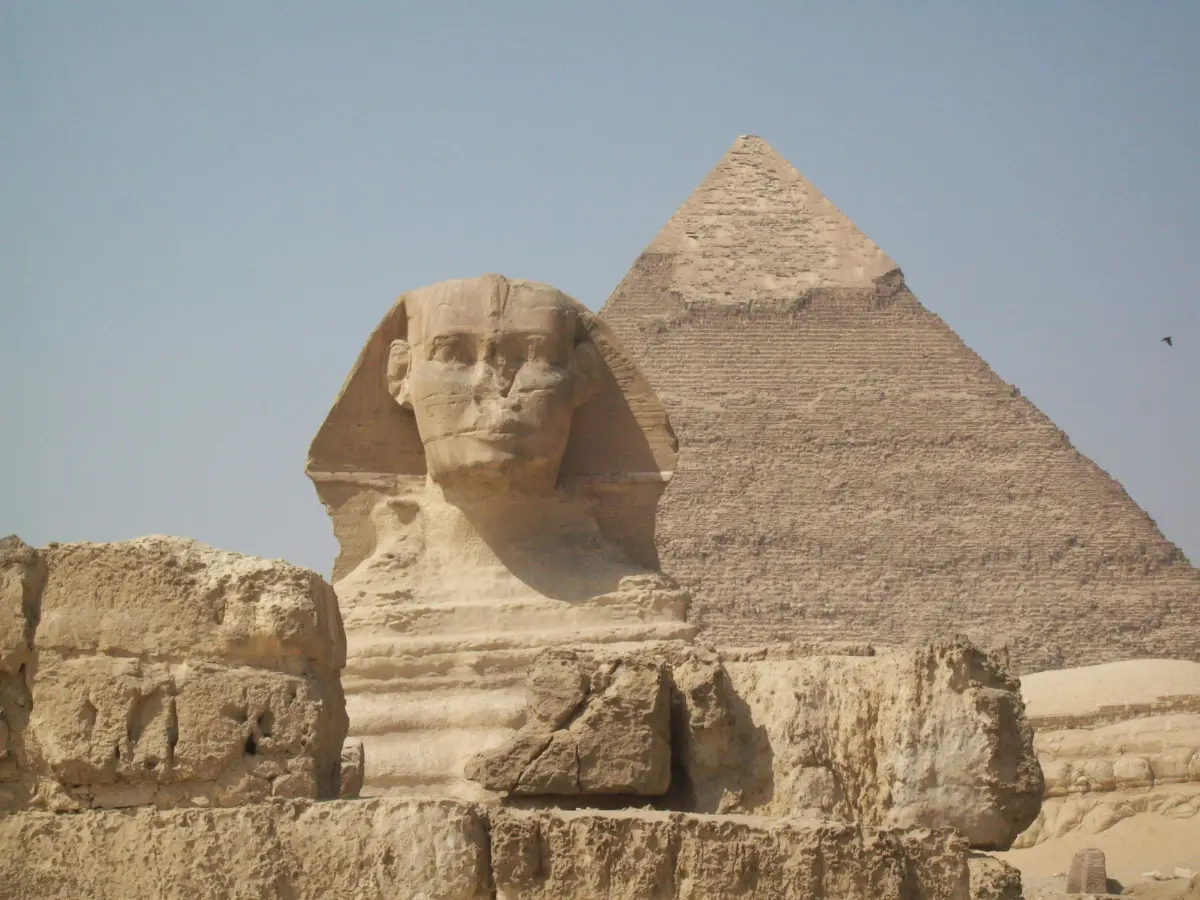
The Pyramids of Giza & the Sphinx
The last surviving wonder of the ancient world needs no introduction but still exceeds every expectation. Visit at dawn before the crowds arrive and consider the Sound and Light Show after dark for a different perspective on these 4,500-year-old giants.
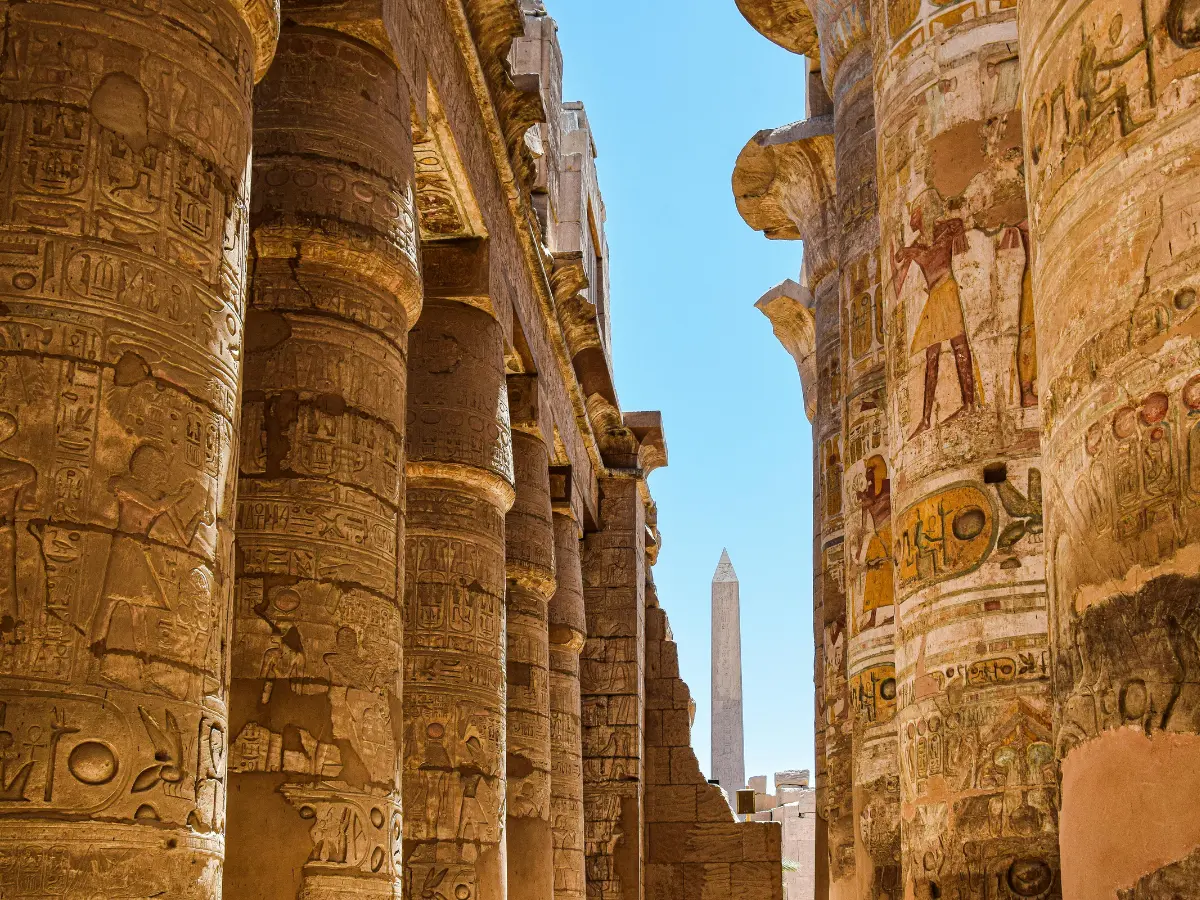
Luxor: the World's Greatest Open-Air Museum
The East Bank holds Karnak Temple and Luxor Temple; the West Bank conceals the Valley of the Kings, Valley of the Queens, and the mortuary temple of Hatshepsut. Budget at minimum two full days — most visitors wish they had allowed more.
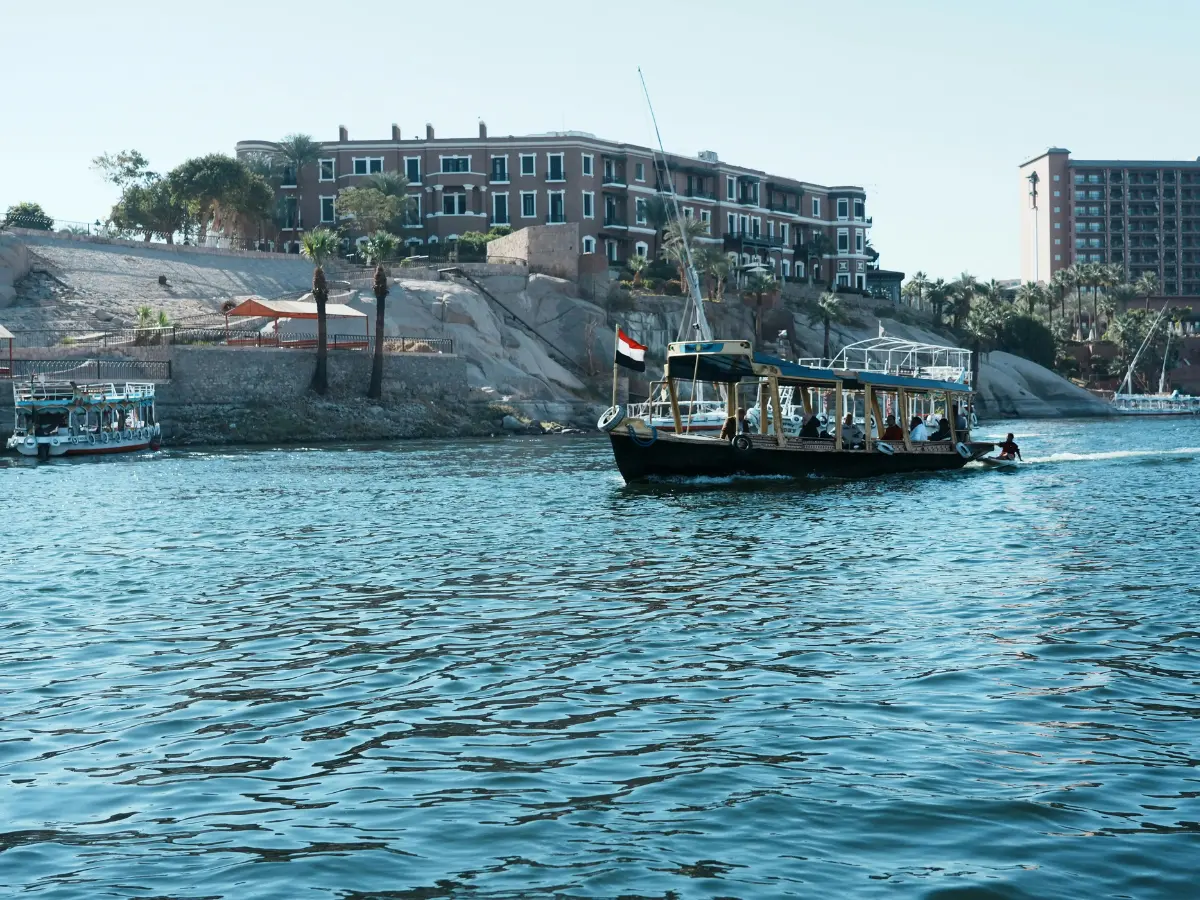
Nile Cruise: Luxor to Aswan
Sailing the Nile between Luxor and Aswan on a traditional felucca or a classic cruise ship is one of travel's great slow journeys. Temples emerge from the riverbanks at Edfu and Kom Ombo; life along the shore continues much as it has for millennia.
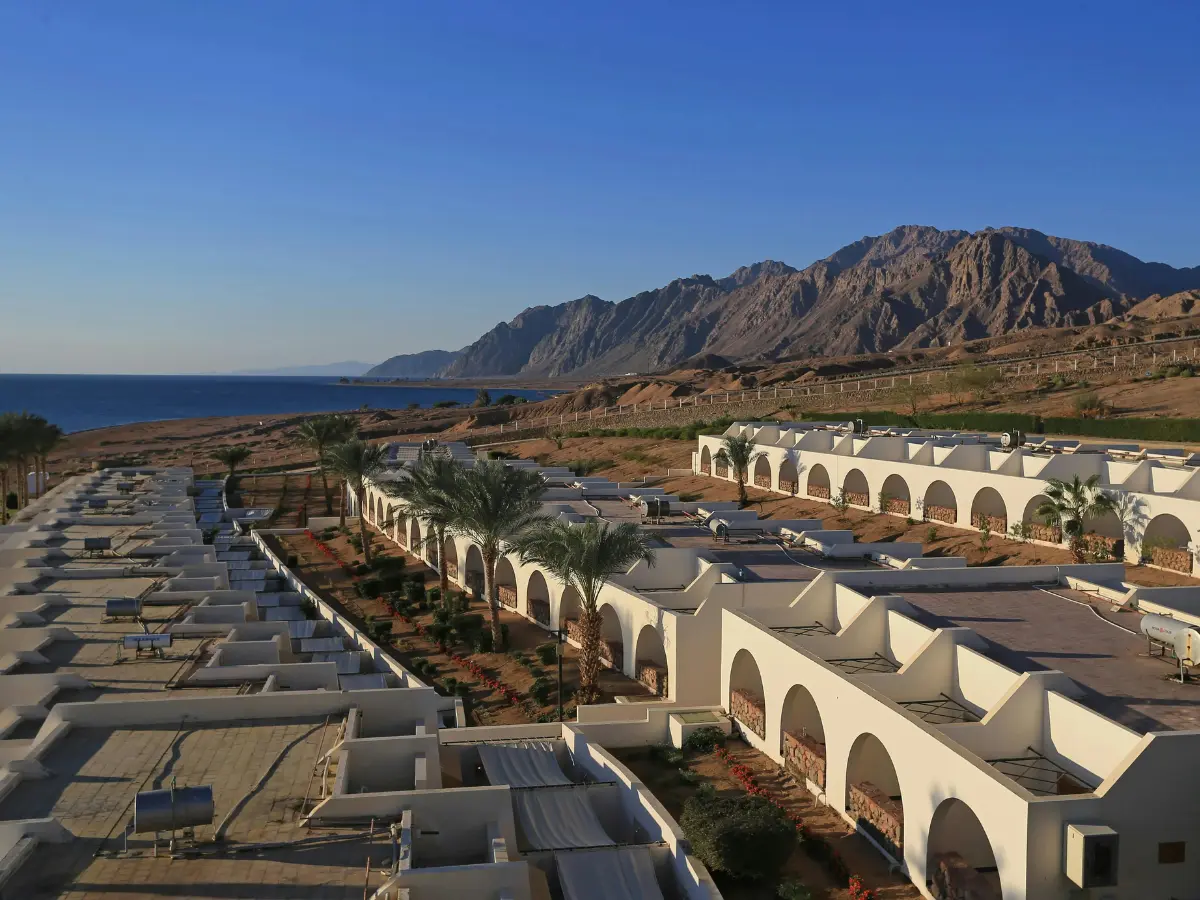
The Red Sea Coast
Hurghada and Sharm el-Sheikh offer some of the world's most accessible world-class diving and snorkelling. The coral reefs of Ras Mohammed National Park and the Brothers Islands are bucket-list dive sites; the calm waters suit families and beginners equally well.
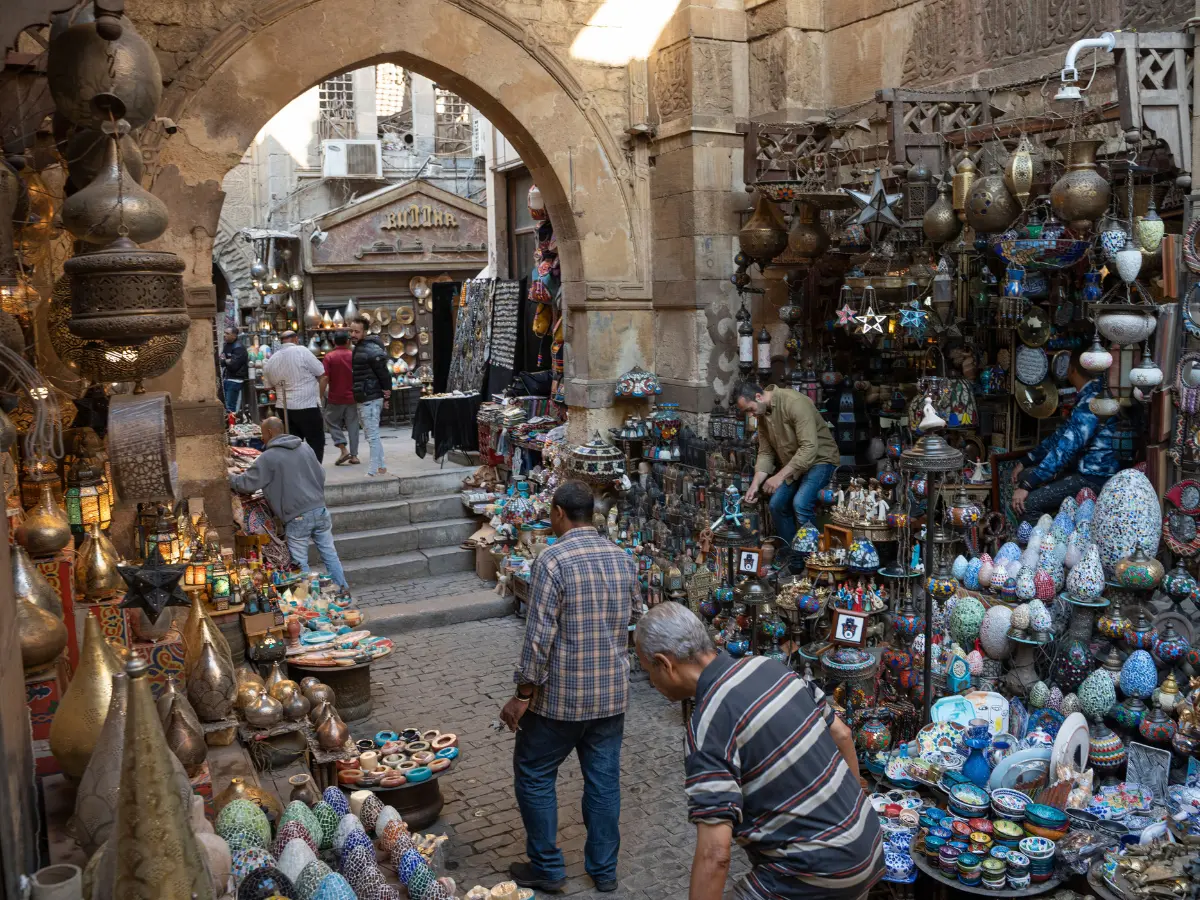
Cairo: Khan el-Khalili & Islamic Cairo
The medieval heart of Cairo is a labyrinth of souqs, madrasas, and mosques dating to the Fatimid era. Khan el-Khalili bazaar rewards hours of wandering; the nearby Al-Azhar Mosque and the Citadel of Saladin anchor one of the most atmospheric urban landscapes in the world.
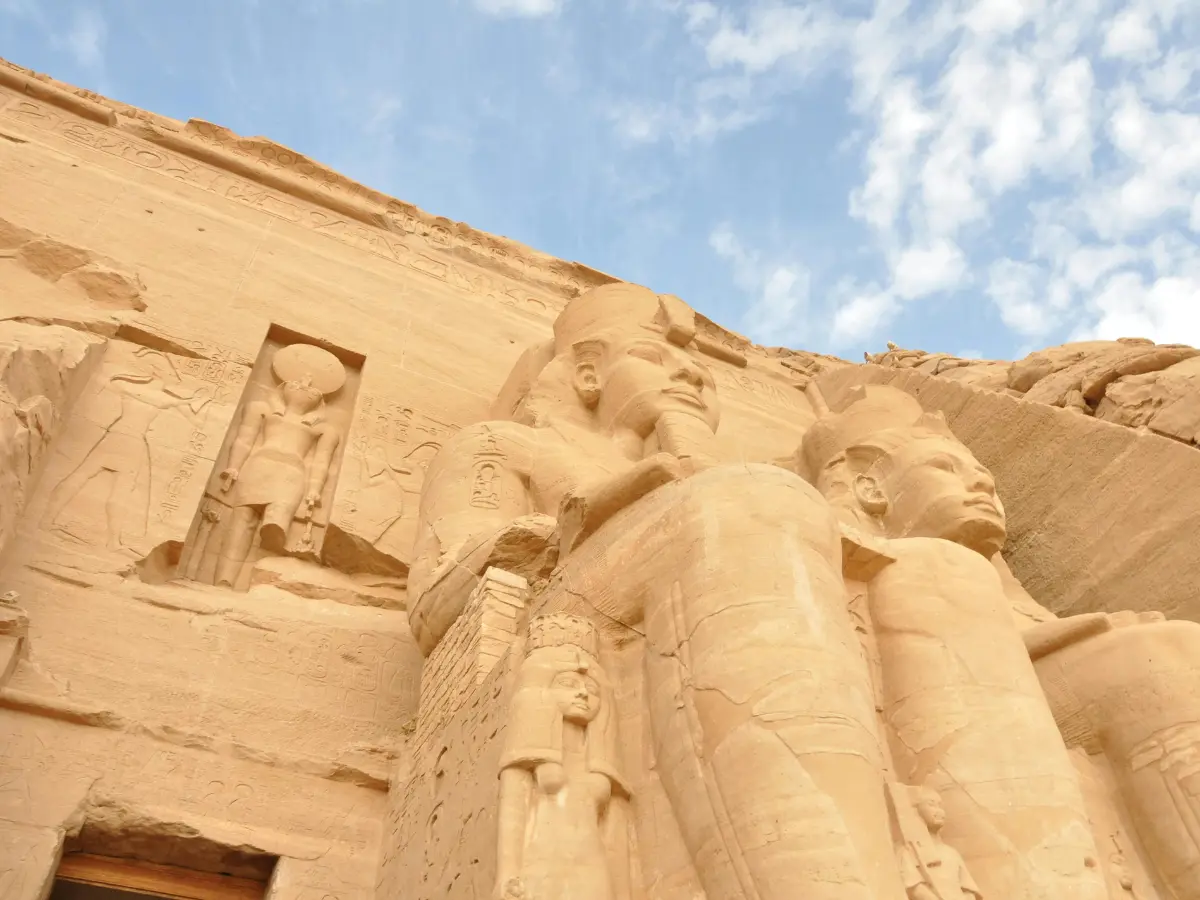
Abu Simbel
Ramesses II's colossal temple complex in the far south of Egypt is one of the most dramatic sights on the continent. The temples were painstakingly relocated in the 1960s to save them from the rising waters of Lake Nasser. The twice-yearly solar alignment on 22 February and 22 October is worth timing a visit around.
Discover Egypt
Travel Essentials
Budget Level:
Budget to Mid-range
Best Duration:
10–14 days
Daily Budget:
USD 40–60/day (budget hotel, street food, public transport)
USD 100–160/day (3-star hotel, restaurant meals, guided tours)
Safety Rating:
Exercise normal caution
Safety Notes
Egypt is generally safe for tourists in established destinations. Cairo, Luxor, Aswan, Hurghada, and Sharm el-Sheikh receive millions of visitors annually without incident. Petty scams targeting tourists are the main concern — agree prices before taking taxis or horse carriages, and be firm but polite with persistent vendors near major sites. The Sinai Peninsula outside Sharm el-Sheikh requires additional research before visiting. Always check your government's current travel advisory before departure.
Getting There
Direct flights from Doha (QR, ~3h to Cairo), Dubai (EK/flydubai, ~3.5h), Abu Dhabi (EY, ~3.5h), and Riyadh (SV, ~3h). Cairo International Airport (CAI) is the main hub. Direct flights also available to Hurghada (HRG) and Sharm el-Sheikh (SSH) from several Gulf cities seasonally. Egypt Air and Gulf carriers operate multiple daily frequencies making Egypt one of the most accessible destinations from the GCC.
Getting Around
Domestic flights connect Cairo to Luxor, Aswan, Hurghada, and Sharm el-Sheikh (Egypt Air, ~1h). Overnight sleeper trains between Cairo and Luxor/Aswan are a classic experience (Watania Sleeper, book in advance). Nile cruises between Luxor and Aswan (3–7 nights) are the definitive way to see Upper Egypt. Within cities, ride-hailing apps (Uber and Careem both operate) are safer and easier than street taxis. Organised day tours from resort bases are the most practical way to visit major archaeological sites.
Visa Information
Most nationalities can obtain a visa on arrival or e-Visa online before travel. Citizens of some Arab countries may enter visa-free. Always verify current requirements at the official Egyptian e-Visa portal (visa2egypt.gov.eg) before travel as policies change frequently.
GCC Visa Information
Qatari, Saudi, and UAE passport holders can obtain a visa on arrival at Egyptian airports valid for 30 days. GCC residents holding valid US, UK, EU, or Schengen visas may also be eligible for visa on arrival. Always verify current requirements at visa2egypt.gov.eg before travel as policies change frequently.
Muslim Travel Guide
Essential information for Muslim travellers
Halal Food
Excellent
Egypt is a predominantly Muslim country and virtually all locally-owned restaurants serve halal food by default. Pork is absent from nearly all menus outside international hotel chains. Street food is abundant, affordable, and halal throughout Cairo, Luxor, Aswan, and Hurghada. Look for koshari, ful medames, and grilled kofta as staple halal street meals.
Mosques
Excellent — mosques in every neighbourhood nationwide.
Mosques are found on virtually every street in Egyptian cities. Cairo International Airport has dedicated prayer rooms in all terminals. Major tourist sites including the Egyptian Museum area and Khan el-Khalili bazaar have nearby mosques. Friday Jumu’ah prayers draw large congregations — plan sightseeing around midday on Fridays as some sites reduce access.
Alcohol Culture
Limited and easily avoided — alcohol is available in international hotels, tourist restaurants, and licensed shops but is absent from most local establishments. Muslim travellers will find it straightforward to avoid entirely throughout the country.
Ramadan Travel
Egypt is one of the best countries in the world to experience Ramadan. The atmosphere in Cairo and Alexandria transforms completely — streets come alive after iftar with food stalls, lights, and celebrations lasting until suhoor. Most restaurants open after sunset with special Ramadan menus. Expect reduced daytime hours at some government sites and shops. Non-fasting travellers can eat discreetly during the day. Ramadan evenings in Khan el-Khalili are unmissable.